

Movie Memorabilia Collecting for Beginners: Start Right
Last Updated: November 22, 2026
Quick Summary
Movie memorabilia collecting for beginners starts with paper and promotional items, which are easier to store and verify than props. Buy one documented entry-level piece, learn the authentication markers for your focus, and always verify the certificate, hologram number, and seller before paying.
- Screen-used means the object appeared on camera; production-used may never have been filmed.
- A COA is only as good as the authenticator behind it, so check the serial number.
- Set a monthly budget and reserve part of it for proper storage materials.
- Use payment methods with buyer protection; wire transfers and cash offer no dispute path.
- Keep paper items flat in acid-free sleeves and display signed pieces behind UV-filtering glass.
Table of Contents
- What Movie Memorabilia Meaning Covers and What Beginners Should Know
- How to Spot Authentic Movie Memorabilia and Avoid Fakes
- Best Movie Memorabilia for Beginners: Where to Start Without Overspending
- Movie Memorabilia Auction: How to Bid Safely and What to Expect
- Licensed Replicas vs. Screen-Used Items: Which Fits Your Collection
- Storing, Displaying, and Preserving Your Collection
- Building Your First Collection: What to Buy and Where to Buy It
- Frequently Asked Questions
What Movie Memorabilia Meaning Covers and What Beginners Should Know
Movie memorabilia collecting for beginners starts with one clear definition: movie memorabilia is any physical object tied to a film's production, marketing, or release, from screen-used props to signed posters.
The category splits into two broad families, and knowing which one you're shopping in changes everything about price, risk, and care. Physical production items carry the highest premiums. Paper and promotional items offer a far gentler entry point.
According to Grand View Research's collectibles market analysis, the global collectibles market was valued at $335.7 billion in 2026, with film-related pieces riding that wave. That scale explains why authentication matters more than ever.
Screen-Used Props, Costumes, and Production-Used Items
Screen-used means the object appeared on camera during filming. Production-used means it was made for the production but may never have been filmed. That distinction drives real price gaps, and sellers blur it constantly.
Costumes and hero props sit at the top of the market. A single original costume piece can anchor an entire collection, but provenance paperwork is non-negotiable at this level.
Paper Collectibles: Posters, Lobby Cards, Scripts, and Press Kits
Paper is where most beginners should start. One-sheet posters, two-sheet posters, lobby cards, movie photographs, scripts, press kits, and production documents all fall here, and they're easier to store and verify than a fiberglass prop.
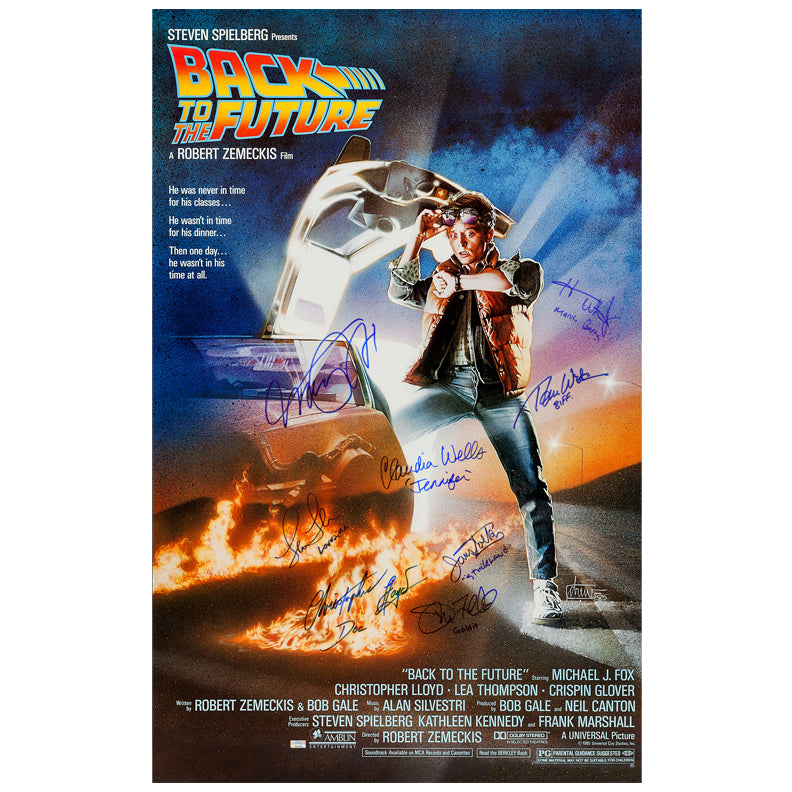
A signed original movie poster, like our Michael J. Fox, Christopher Lloyd, Tom Wilson, Lea Thompson, Claudia Wells Autographed 1985 Back to the Future 27x39 Single-Sided Movie Poster, shows what a documented, multi-signature paper piece looks like at the serious end of the market.
How to Spot Authentic Movie Memorabilia and Avoid Fakes
Authentic movie memorabilia is an item whose origin can be traced to the production, its licensed manufacturer, or a verified signing, backed by documentation a buyer can independently check. Without that paper trail, you're buying a story, not an asset.
The Three-Layer Verification Framework
Treat every purchase as three separate questions: Is the item what it claims to be? Is the signature or provenance what it claims to be? Is the seller who they claim to be? A failure at any layer sinks the whole deal.
Layer 1, Item verification. Match the physical object to the film's production or release period. A "1985 original" one-sheet printed on modern glossy stock is a reproduction regardless of what the listing says.
Layer 2, Provenance and signature verification. A certificate of authenticity (COA) is only as good as the authenticator behind it.
Layer 3, Seller verification. Check whether the seller has a physical business presence, published terms, a return policy, and a track record you can inspect.
Chain of Ownership: What to Ask For
Provenance is the documented history of who owned the item and how it changed hands. For screen-used pieces, ask for the studio or production company record, the auction house lot number if it sold publicly, and any prior sale receipts.
Watch out: a seller who can describe the item's history only in vague terms ("from a private collection," "acquired years ago") without names, dates, or documents is asking you to trust a narrative rather than evidence.
Red Flags That Should End the Conversation
- A COA that names no authenticator or signing event
- A hologram number that doesn't match the certificate or can't be looked up
- Signature style inconsistent with known examples from that era
- Photos that are low-resolution, watermarked, or reused from other listings
- Pressure to pay outside the platform's buyer-protection system
- A price far below the defensible range for the item's condition
A Practical Pre-Purchase Checklist
- Certificate names the signer, the item, and the signing event
- Hologram or serial number matches the certificate exactly and can be verified
- Signature style is consistent with known examples from that era
- Poster or photo stock matches the film's release period
- Seller can explain where the item came from, in specific terms
- Price sits within a defensible range for the item's condition
- Seller offers a return policy and accepts protected payment methods
Run this checklist before every purchase, not just the expensive ones. Fraudsters test beginners with low-value items first, then escalate once trust is established.
Best Movie Memorabilia for Beginners: Where to Start Without Overspending
The best movie memorabilia for beginners is affordable, verifiable, and small enough to store properly. Scaled prop replicas, limited-edition prints, and trading cards hit all three marks.
Start with a prop you love. Our Back to the Future Brain Wave Analyzer scaled prop replica is the kind of first purchase that teaches you how licensed collectibles are documented without demanding a five-figure commitment.

Entry-Level vs. Premium: A Realistic Pricing Breakdown
Budget discipline separates collectors from accumulators. Set a monthly ceiling, buy fewer pieces, and always reserve part of your budget for proper storage materials.
| Tier | Typical Items | What You're Paying For |
|---|---|---|
| Entry | Scaled replicas, prints, trading cards, key chains | Accessibility and display appeal |
| Mid | Licensed full-size replicas, signed photographs | Verified autographs, better materials |
| Premium | Screen-used props, cast-signed posters, original costumes | Provenance and rarity |
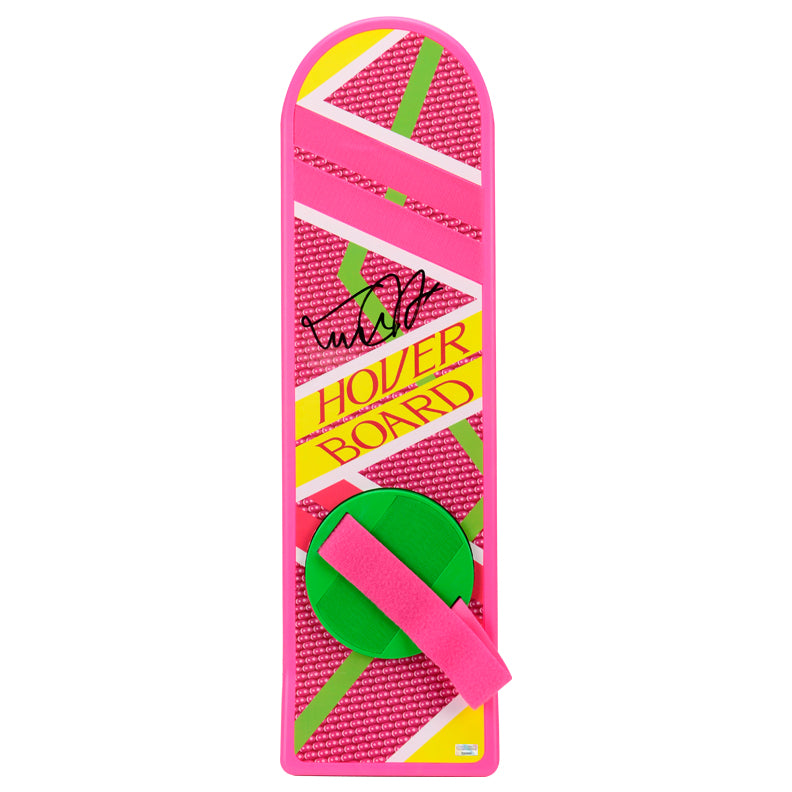
Premium pieces exist to show you the ceiling. A signed hoverboard, like our Michael J. Fox autographed Back to the Future Part II hoverboard, comes with a Celebrity Authentics certificate of authenticity and a serial-numbered, tamper-evident authentication hologram.
Movie Memorabilia Auction: How to Bid Safely and What to Expect
Auctions are one channel, not the whole market. Beginners who understand how auctions, specialist dealers, conventions, online marketplaces, and private sales differ, and where each one exposes them to risk, make better decisions than those who chase the lowest hammer price.
How Auctions Work and What They Really Cost
A movie memorabilia auction rewards preparation and punishes impulse. Set your maximum bid before the listing opens, then add the buyer's premium and shipping to that number before you commit.
Condition reports matter as much as the photos. Request additional images of corners, signatures, and mounting hardware. If a house won't provide them, walk away.
Buying-Channel Comparison
| Channel | Typical Strength | Typical Risk | Buyer Protection |
|---|---|---|---|
| Auction houses | Documented provenance, competitive pricing | Buyer's premium, as-is sales | Varies by house; read terms |
| Specialist dealers | Expertise, return policies | Higher retail prices | Usually strong if terms are published |
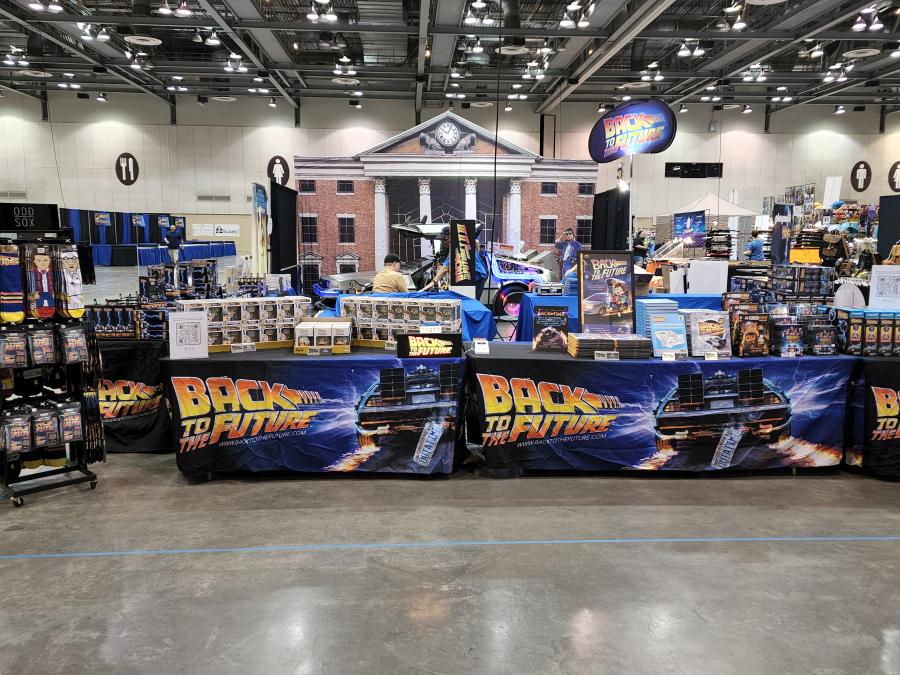
| Conventions | In-person inspection, direct seller contact | Cash transactions, limited recourse | Weak unless seller offers written terms |
| Online marketplaces | Selection, convenience | Replicas sold as originals, vague COAs | Platform-dependent; use protected payment |
| Private sales | Access to rare pieces | No recourse, provenance gaps | None unless contractually agreed |
Transaction Safety Across Channels
Use payment methods that offer buyer protection whenever possible. Credit cards and platform-managed payments give you a dispute path; wire transfers and cash do not.
Watch out: a seller who insists on payment outside the platform's protection system, or who rushes you to decide before you've verified the paperwork, is signaling that the transaction is designed to be hard to reverse.
Setting Your Maximum Bid
Before any auction, write down three numbers: the hammer price you're willing to pay, the all-in total including premium and shipping, and the amount you'd need to spend on framing, storage, or insurance after the sale. If the all-in total exceeds your monthly collecting budget, you're not bidding, you're borrowing from next month's plan.
Licensed Replicas vs. Screen-Used Items: Which Fits Your Collection
Licensed replicas are manufactured under official permission from the rights holder, while screen-used items are the original objects handled on set. Replicas offer consistency and documentation; originals offer uniqueness and risk.
For most beginners, replicas win on every practical measure. Our prop replicas collection covers the range, and a budget-friendly example like the Outatime license plate replica shows how affordable a licensed piece can be.
Screen-used items belong in a collection once you have authentication experience and a secure storage plan.
Best for: collectors who want display-ready pieces with paperwork. Skip if: you're chasing one-of-a-kind provenance and have the budget to verify it.
Storing, Displaying, and Preserving Your Collection
Preservation is where casual collectors lose value. UV light fades signatures, humidity warps paper, and direct sunlight destroys poster color faster than most people expect.
Keep paper items flat in acid-free sleeves and out of daylight. Display signed pieces behind UV-filtering glass. Store costumes on padded hangers in breathable cotton covers, never plastic.
Handle everything with clean cotton gloves. Oils from fingers cause permanent damage that no conservator can reverse.
Building Your First Collection: What to Buy and Where to Buy It
Pick one focus before you buy anything. A specific franchise, a single genre, or a defined era keeps your collection coherent and your spending controlled.
Then follow this sequence:
- Set a monthly budget and a storage plan
- Choose your collecting scope
- Buy one documented entry-level piece
- Learn the authentication markers for your focus
- Add mid-tier pieces as your knowledge grows
- Insure the collection once it passes a threshold you'd hate to lose
Buy from licensed retailers and established auction houses with published terms. For a franchise-focused collection, buying from the official source is the most direct way to confirm authenticity.
Building a collection that holds its value takes discipline, documentation, and a reliable source.
Frequently Asked Questions
How do you start collecting movie memorabilia?
Pick one focus first, such as a single film, genre, or item type like posters or prop replicas. Set a budget before you browse, then buy from sellers who provide provenance and certificates of authenticity. Begin with lower-cost items like limited edition prints or licensed replicas to learn the market, and keep a simple inventory of every purchase with photos, receipts, and any paperwork.
What counts as movie memorabilia?
Movie memorabilia covers anything connected to a film's production or promotion: screen-used props and costumes, original posters and lobby cards, scripts, press kits, signed photographs, and production documents. It also includes officially licensed replicas, soundtracks, trading cards, and promotional materials. The category is broad, so the movie memorabilia meaning depends on what you choose to collect and how closely it ties to the actual filmmaking process.
How can you tell if movie memorabilia is authentic?
Look for documented provenance: a certificate of authenticity from a recognized authenticator, serial-numbered holograms, or a photo of the signing or production use. For signed items, check that the autograph matches known examples and that the seller names the signing event. Screen-used pieces should come with studio or production paperwork. If a deal seems far below market value and the seller cannot explain where the item came from, walk away.
Where can beginners buy movie memorabilia?
Official franchise stores and licensed retailers are the safest starting point because their products come with verification. Auction houses handle higher-end screen-used pieces but require registration and buyer's premiums. Specialist prop auction sites focus on production-used items. Avoid anonymous marketplace listings with no return policy. For Back to the Future fans, the official store offers licensed prop replicas, autographed pieces, and limited edition prints.
Are movie props and replicas the same thing?
No. A movie prop is an item actually used during filming, while a replica is a licensed or unlicensed copy made to look like it. Screen-used props carry higher value and require provenance to confirm authenticity. Replicas are more affordable and widely available, making them a practical entry point for beginners. Many collectors own both: a replica for display and a smaller screen-used piece as the centerpiece of a collection.
Is movie memorabilia a good investment?
Some pieces appreciate, but returns are not guaranteed. Treat collecting as a passion first: buy items you want to keep, focus on rarity and condition, and keep all documentation to protect resale value.
